Varicose Vein Treatments
A modern, minimally invasive approach to healthier legs.
At Lake Clinic, Doncaster, we offer advanced varicose vein treatment using endovenous ablation and sclerotherapy — techniques designed to treat the underlying cause of vein disease while also improving visible veins.
Rather than simply removing surface veins, our approach focuses on identifying and correcting venous reflux — the internal valve problem that leads to vein enlargement, heaviness and discomfort.
By working with detailed ultrasound assessment and tissue-preserving, minimally invasive techniques, treatment is performed as a day case with rapid recovery and no need for traditional surgical stripping.
This approach appeals to patients who want effective symptom relief, improved appearance and a smoother recovery experience.
A modern, minimally invasive approach to healthier legs
At Lake Clinic, Doncaster, we offer advanced varicose vein treatment using endovenous ablation and sclerotherapy — techniques designed to treat the underlying cause of vein disease while also improving visible veins.
Rather than simply removing surface veins, our approach focuses on identifying and correcting venous reflux — the internal valve problem that leads to vein enlargement, heaviness and discomfort.
By working with detailed ultrasound assessment and tissue-preserving, minimally invasive techniques, treatment is performed as a day case with rapid recovery and no need for traditional surgical stripping.
This approach appeals to patients who want effective symptom relief, improved appearance and a smoother recovery experience.
What is Modern Varicose Vein Treatment?
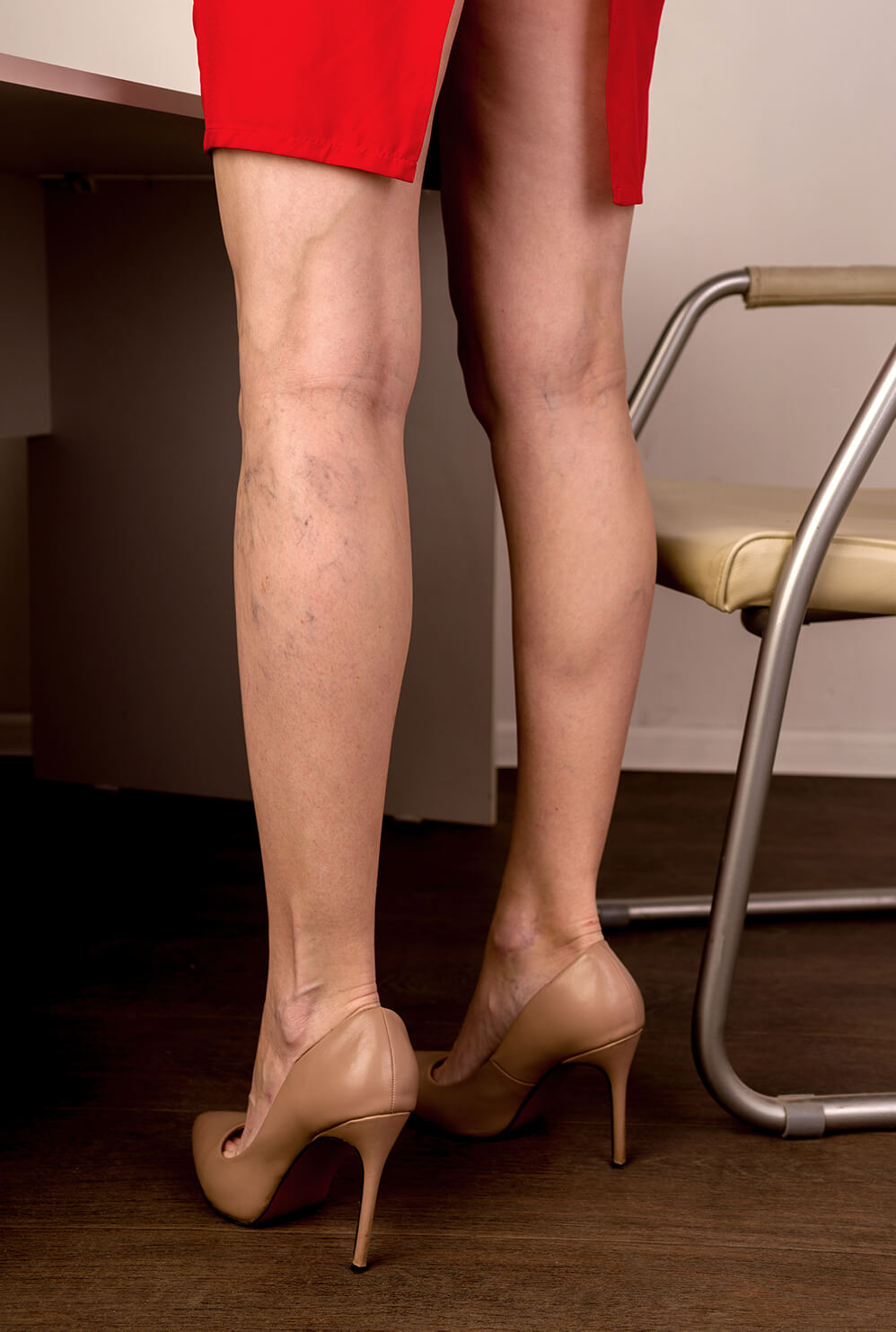
Varicose veins develop when the small valves inside the leg veins weaken.
When this happens, blood flows backwards (known as venous reflux), increasing pressure within the vein and causing it to enlarge.
Traditional surgical treatments often involved stripping the vein through larger incisions. Modern treatment takes a different approach.
Instead of removing veins surgically, we seal the refluxing vein from the inside using heat (endovenous ablation) or close smaller veins using carefully delivered sclerotherapy solution.
The focus is on:
- Treating the source of reflux
- Preserving surrounding tissues
- Redirecting blood flow into healthy veins
- Supporting natural healing and recovery
Our Treatment Approach is Built Around Four Key Principles
Accurate Diagnosis with Duplex Ultrasound
Successful treatment begins with identifying the exact vein responsible for reflux.
A detailed duplex ultrasound scan allows us to treat the root cause rather than just visible veins, helping reduce recurrence.
Treating the Underlying Reflux First
Endovenous ablation seals larger refluxing veins such as the great or small saphenous vein.
This removes the pressure source that feeds surface varicosities.
Precision Treatment of Visible Veins
Foam or liquid sclerotherapy is used to treat remaining surface veins and thread veins.
This allows for refined cosmetic improvement once the underlying issue has been addressed.
Minimally Invasive, Day-Case Care
All treatments are performed under local anaesthetic, without surgical stripping, and with small entry points rather than incisions — supporting faster recovery and less tissue trauma.
The Outcome
The goal of modern varicose vein treatment is simple:
Healthier legs that feel lighter, more comfortable and look clearer.
By correcting reflux and improving circulation patterns, patients often notice:
- Reduced aching and heaviness
- Improved swelling
- Gradual fading of visible veins
- Improved confidence in the appearance of their legs
Because the treatment addresses the underlying cause, results tend to be more stable compared with older surgical techniques.
Frequently Asked Questions
Patients often choose this approach because it aims to:
• Treat the underlying cause of varicose veins
• Avoid traditional vein stripping surgery
• Use minimally invasive, tissue-friendly techniques
• Allow rapid return to normal daily activities
• Improve both symptoms and cosmetic appearance
As with all medical treatments, results vary from person to person and suitability is assessed carefully at consultation.
Modern treatment focuses on correcting venous reflux — the underlying valve problem that causes increased pressure within the vein.
Endovenous ablation seals the refluxing vein from the inside, redirecting blood into healthy veins. By treating the source of the problem rather than just removing visible veins, results tend to be more stable over time.
For many patients, minimally invasive treatment offers significant advantages over traditional surgical stripping.
There are no large incisions, no stitches and no need for general anaesthetic in most cases. Recovery is typically quicker, and discomfort is generally reduced compared with older surgical techniques.
Suitability depends on your individual assessment and ultrasound findings.
Yes. Treating the refluxing vein can help reduce symptoms such as aching, heaviness and swelling.
Sclerotherapy can then improve the appearance of remaining surface veins.
Many patients notice both functional improvement and cosmetic enhancement following treatment.
Yes. Endovenous ablation is performed under local anaesthetic using a fine catheter inserted through a very small entry point.
Sclerotherapy involves precise injections into affected veins without any incisions.
Both are day-case procedures designed to minimise tissue disruption.
Walking is encouraged immediately after treatment.
Most patients return to normal daily activities quickly, and many resume desk-based work within one to two days. More physically demanding roles may require a short period of modification.
When the underlying reflux is treated appropriately, long-term success rates are high.
However, varicose vein disease can have a genetic component, and new veins may develop over time. Follow-up and staged treatment plans can help maintain results.
Treated veins usually fade gradually or are absorbed by the body over time.
However, varicose vein disease can have a genetic component, and new veins may develop in the future. Ongoing monitoring and staged treatment may help maintain results.
Most patients tolerate treatment well.
Endovenous ablation is performed under local anaesthetic. Sclerotherapy may cause brief stinging at the injection site, but this is usually short-lived.
Many patients return to desk-based work within one to two days.
More physically demanding roles may require a short period of reduced activity. This will be discussed during your consultation.
Yes. Duplex ultrasound scanning is essential to safely and effectively plan treatment for varicose veins.
The scan allows us to identify refluxing veins beneath the surface and treat the underlying cause, not just visible veins.
Varicose veins develop when the small valves inside the leg veins weaken over time. When these valves do not close properly, blood can flow backwards (venous reflux), increasing pressure within the vein and causing it to enlarge.
Several factors may increase the likelihood of developing varicose veins, including:
- A family history of vein problems
- Pregnancy
- Prolonged standing or sitting
- Ageing
- Weight changes
- Previous vein thrombosis in some cases
Not everyone with these risk factors will develop varicose veins, but understanding them helps guide assessment and treatment planning.